

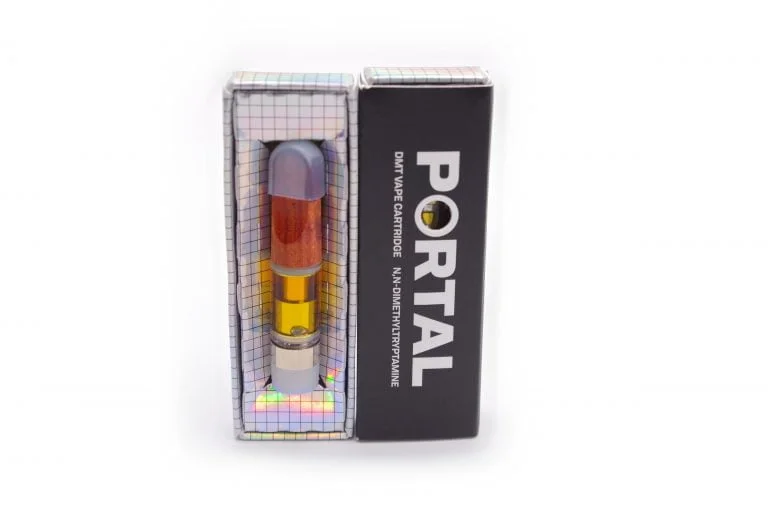

DMT Cartridge – A Complete Guide to the “Spirit Molecule”
DMT (N, N-Dimethyltryptamine) is a naturally occurring psychedelic compound found in several plants and animals. It belongs to a class of chemicals called tryptamines and is known for producing intense, short-lasting hallucinogenic experiences when consumed in specific contexts.
Often referred to in popular culture as the “spirit molecule,” DMT has gained attention due to its powerful effects on perception, consciousness, and sensory experience. Despite its growing interest in modern discussions, it remains a highly controlled substance in many countries due to its psychoactive properties.
How Does DMT Work in the Brain?
DMT primarily interacts with serotonin receptors in the brain, especially the 5-HT2A receptor, which plays a key role in mood, perception, and cognition. By binding to these receptors, DMT can significantly alter sensory processing and awareness.
This interaction may result in:
- Visual distortions or vivid imagery
- Altered sense of time and space
- Heightened emotional responses
- Deep changes in perception of reality
The intensity and duration of these effects can vary depending on the method of exposure and individual sensitivity.
Effects of DMT Cartridge on the Mind and Body
The effects of DMT are typically described as powerful and immersive. Users often report experiences that feel extremely vivid and dream-like.
Psychological Effects
- Intense visual hallucinations
- Altered sense of identity or ego dissolution
- Feelings of euphoria or emotional intensity
- Perception of traveling through “other dimensions”
Physical Effects
- Increased heart rate
- Dizziness or light-headedness
- Dilated pupils
- Temporary changes in body perception
These effects usually occur rapidly and can be overwhelming, especially for individuals with no prior experience with psychedelics.
Why Is DMT Cartridge Called the “Spirit Molecule”?
The term “spirit molecule” was popularized by researcher Rick Strassman, who conducted clinical studies on DMT in the 1990s. Participants in his studies reported profound experiences involving encounters with seemingly intelligent entities and alternate realities.
This has led to ongoing debates about whether DMT provides insight into consciousness or simply produces highly complex hallucinations generated by the brain.
Cultural and Historical Use of DMT
DMT is found naturally in several plants used in traditional South American practices, particularly in ayahuasca ceremonies. These rituals have been used for centuries by indigenous cultures for spiritual exploration, healing, and religious ceremonies.
In these contexts, DMT is typically consumed in a structured ceremonial setting guided by experienced practitioners.
Risks and Safety Considerations
Although DMT is not considered physically addictive, it can carry psychological risks.
Potential risks include:
- Intense anxiety or panic reactions
- Confusion or disorientation
- Psychological distress in vulnerable individuals
- Possible triggering of underlying mental health conditions
Because of its intensity, mental preparation and environment (often referred to as “set and setting”) are considered important factors in shaping the experience.
Conclusion: Understanding DMT Responsibly
DMT Cartridge is one of the most powerful naturally occurring psychedelic compounds known, capable of producing intense changes in perception and consciousness. While it has cultural, historical, and scientific interest, it also carries legal and psychological risks that should not be ignored.
As research into psychedelics continues to evolve, DMT Cartridge remains a subject of fascination in neuroscience, psychology, and anthropology.
Be the first to review “DMT Cartridge”
Related products
THC vape E-Liquid

THC vape E-Liquid

THC vape E-Liquid
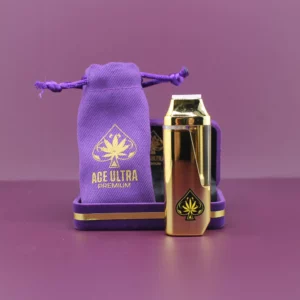

THC vape E-Liquid
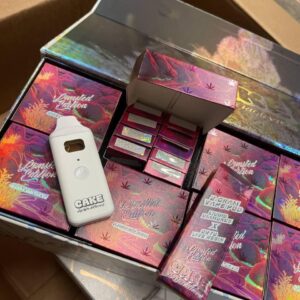
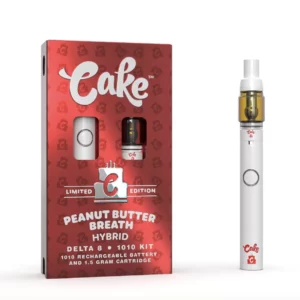
THC vape E-Liquid

THC vape E-Liquid

THC vape E-Liquid

THC vape E-Liquid
Reviews
There are no reviews yet.